
Gay midlife crisis: why it hits and what helps
Gay midlife crisis: why it often arrives when life looks good, how to tell it from depression, and what helps. Free 30-minute intro call.
Written by Mark Clarke, BACP-registered counsellor (MBACP 407828)
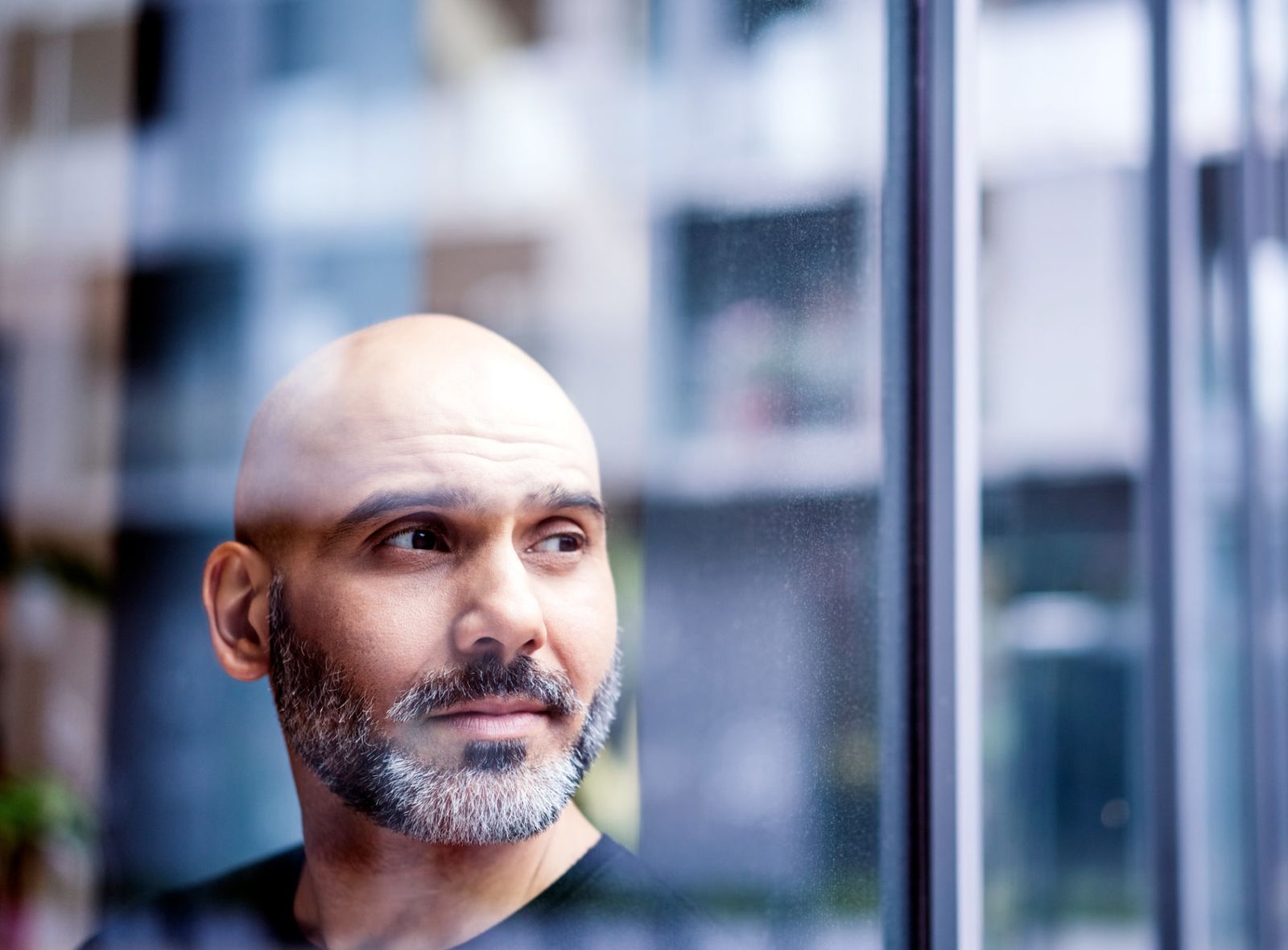
You’ve just turned 47. The dinner was lovely and your friends were kind. On the way home you felt almost nothing, and you couldn’t have said why.
If that’s familiar, you may have typed “gay midlife crisis” into a search bar, half expecting a joke about sports cars. It’s a real and well-studied stage of adult life. It doesn’t mean you’re ungrateful, and it doesn’t mean you’re falling apart.
This piece is for gay and bi men in their forties and fifties. It covers why this stage arrives, why it lands differently for us, how to tell it from depression, and what helps.
What is a gay midlife crisis?
It’s a stretch of restlessness or flatness that tends to arrive in a man’s forties or early fifties. It often comes when his life looks most settled from the outside.
The phrase “midlife crisis” was coined in 1965 by the psychoanalyst Elliott Jaques. His point was that somewhere around the middle of life, our own death stops being an abstract idea. That changes what we want.
The dip shows up in large studies. The economist David Blanchflower looked at wellbeing across 132 countries. He found that it reaches its lowest point at about 47 in wealthier countries, then rises again.
It isn’t a diagnosis, and it’s usually much quieter than the cliché. Three common signs:
- A flat, grey feeling about things you used to enjoy
- An urge to change something big, without knowing what
- Feeling alone even when your diary is full
Why does it hit gay and bi men differently?
Because most of us reach midlife having started adult life late, after years of staying on guard, in a culture that prizes youth.
A late start. If you’re in your forties and went to school in Britain, a good part of your schooling fell under Section 28. That law was in force from 1988 until 2003 in England and Wales, and in practice it kept gay lives out of most classrooms. Civil partnerships didn’t arrive until December 2005, and marriage followed in 2014. Many of us had our first honest relationships years after our straight friends did. Men who are coming out later in life often feel this most sharply.
Years on guard. The psychologist Ilan Meyer called this minority stress. It’s the extra load of expecting rejection, deciding who is safe to tell, and absorbing other people’s views of you. By midlife that load can come out as tiredness that rest doesn’t fix. I’ve written more about it in my piece on minority stress and burnout.
A culture that’s hard on ageing. Researchers in Los Angeles gave this a name: internalised gay ageism. It means feeling worth less because you’re getting older as a gay man. In their study of 312 gay men aged 48 to 78, men who felt this more strongly also reported more symptoms of depression. It was one study in one city, so it shouldn’t be stretched too far. Still, many men will recognise the feeling of becoming invisible in rooms where they used to be noticed. My page on ageing, body image and the scene goes further.
Why does it hit hardest when life looks good?
Because achievement has often been doing the job of self-worth, and midlife is when that stops working.
Carl Rogers, who founded person-centred therapy, called this conditions of worth. As children we learn which versions of us earn approval. A boy who senses that something about him is unacceptable often finds a workaround. He becomes the clever one, or the reliable one who never causes trouble.
The psychologist Alan Downs described the adult version in his book The Velvet Rage. He wrote about gay men who make up for early shame with achievement, taste, money or a perfect body. It can work for twenty years.
Then you reach the goals, and the relief you expected doesn’t arrive. What sits underneath is often shame, which no amount of achievement was ever going to reach.
I recognise this from the inside. I started work in the 2000s keeping the fact that I’m gay well out of sight, and I got very good at managing how I came across. Being good at that is its own kind of achievement, and it gets rewarded. What it never did was make the fear of being “found out” go away. So if you tell me you have everything you aimed for and still feel flat, I won’t hear ingratitude. I’ll hear a man who has been earning his place for a very long time.
Is it midlife or depression?
The two overlap, and it matters which one you’re dealing with.
A midlife dip tends to come with questions, and the mood moves around. You have good days, and you can still enjoy things when they’re in front of you. Depression tends to flatten everything. The National Health Service (NHS) has clear advice on when to act. See a General Practitioner (GP) if you have symptoms for most of the day, every day, for more than two weeks.
It’s worth taking seriously. Stonewall and YouGov surveyed 5,000 lesbian, gay, bi and trans (LGBT) people in Britain. Of those, 52 per cent said they had experienced depression in the previous year.
If you’re having thoughts of ending your life, please don’t wait. In the UK you can call Samaritans free on 116 123 at any time, or 999 in an emergency.
What helps?
Three things that help, whether or not you ever speak to a counsellor:
- Name what you’re grieving. A lot of midlife unhappiness is grief that hasn’t been called grief. It might be the teenage years you spent pretending, or a parent who never came round. Naming it usually makes it easier to carry.
- Go where you matter. In the Los Angeles study, feeling that you matter to others accounted for about a third of the link between gay ageism and low mood. Mentor someone younger at work. Show up for a friend’s children. Teach what you know. None of it depends on how you look.
- Let one person know you unedited. Many successful men are surrounded by people who know a polished version of them. One relationship where you don’t manage the impression you make changes a great deal.
Honest limits: none of this is quick. And if you feel a strong pull to leave the job, the relationship or the country, go slowly. Decisions made to escape a feeling tend to bring the feeling along.
If you’d rather not work this out alone, a free 30-minute intro call is the easiest place to start.
Where counselling fits
Counselling gives you one hour a week where you don’t have to earn your place. For a man who has spent decades earning it, that is often where things start to shift.
I work in a person-centred way, so I don’t hand out advice or fit you into a programme. The idea is that people move towards what’s right for them once they’re properly heard and not judged. You can read more about how I work.
It also helps not to have to explain the basics. Gay affirmative therapy means you won’t spend sessions translating your life for someone who doesn’t know it. I’m a gay man myself.
Practically: sessions are online, 50 minutes, with me every time. There’s no waiting list and no limit on the number of sessions. If you’ve never had counselling, my guide to what happens in a first session covers what to expect.
Frequently asked questions
At what age does it usually happen? There’s no set age. Large studies place the low point of wellbeing in the late forties on average. Some gay and bi men feel it earlier, around 40, and others later, especially if they came out later.
Is it different for bi men? Often, yes. Some bi men reach midlife in a long relationship with a woman, while part of them has had little room. I offer counselling for bisexual men with that in mind.
Do I need to be in crisis to start counselling? No. You don’t need a diagnosis, a referral or a dramatic reason. “Something is off and I can’t name it” is enough to start with.
The next step
If any of this is you, the next step is a free 30-minute intro call. There’s nothing to prepare, and nothing you say commits you to anything. We talk about what’s going on and whether working together makes sense.
Share this
Great Thriving offers online, identity-affirming counselling for gay and bisexual men, in English.
Book a free intro call